Physical Address
304 North Cardinal St.
Dorchester Center, MA 02124
Physical Address
304 North Cardinal St.
Dorchester Center, MA 02124

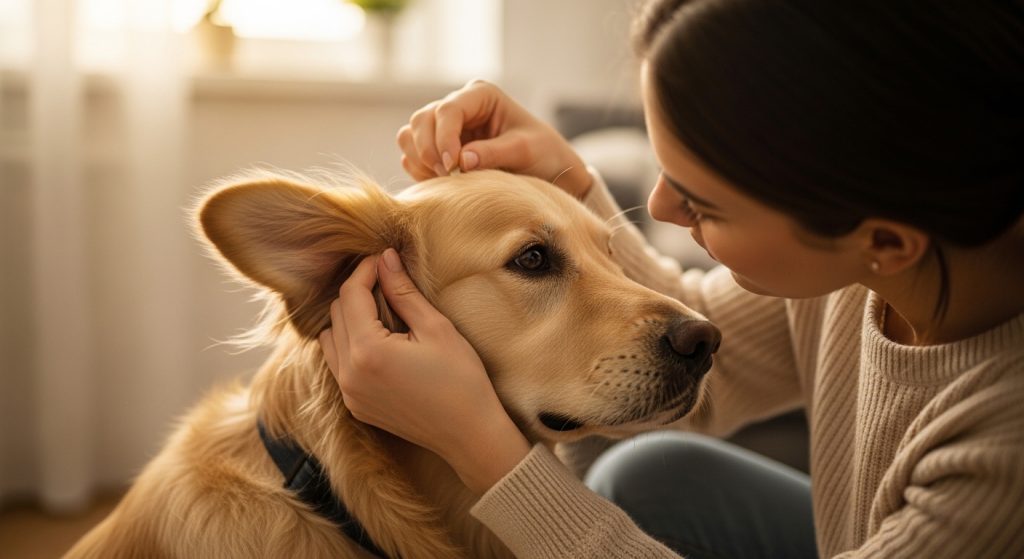
Is your dog scratching its ear all the time? Shaking its head? Does something smell bad near the ear? These are signs of an ear infection. The good news — not every ear infection needs a vet visit right away. Some safe home treatments can give your dog fast relief. This post covers everything — what causes it, how to spot it, and how to treat it at home, step by step.
What you will find in this post
It was 10 pm. Max, a 3-year-old Beagle, would not stop scratching his right ear. His owner, Sarah, looked inside and saw redness and a dark discharge. She panicked — but she did not rush to the vet. Instead, she cleaned Max’s ear gently with a diluted apple cider vinegar solution. By the next morning, Max was calm and the scratching had stopped. She had caught it early and acted smart.
This story is very common. Millions of dog owners face this every year. And many of them handle it safely at home — just like Sarah did.
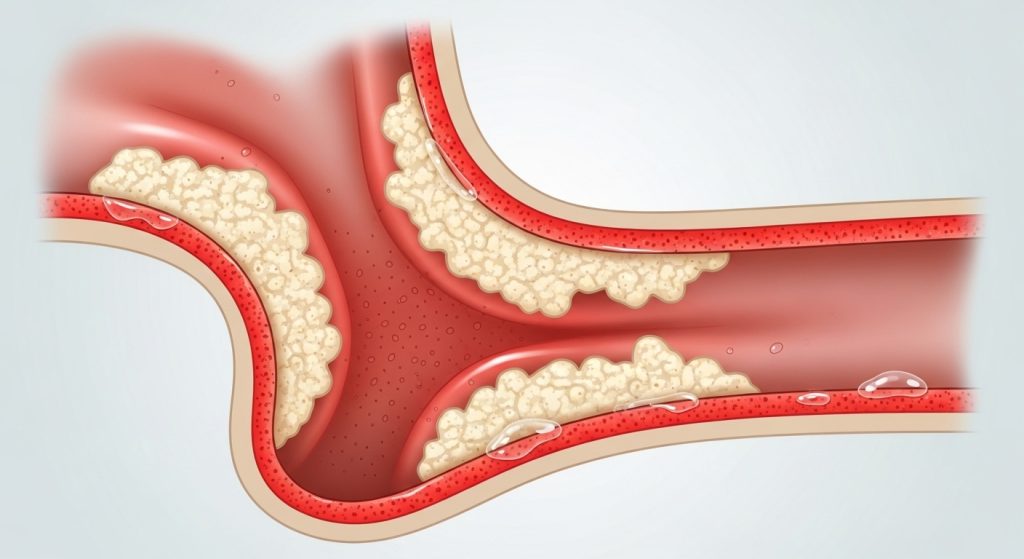
Dogs get ear infections more than most animals. Why? Because their ear canal is shaped like an L. This shape traps moisture and dirt inside — making it easy for bacteria and yeast to grow.
Here are the most common reasons:
Breeds with long, floppy ears — like Cocker Spaniels, Basset Hounds, and Labrador Retrievers — get ear infections more often because their ears do not get enough air inside.
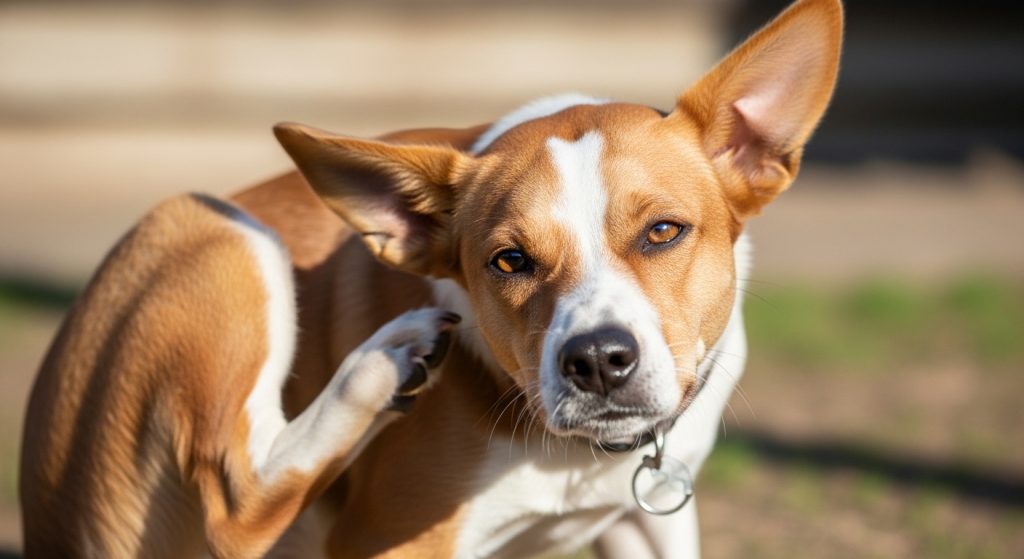
Catching an ear infection early is very important. Here are the signs you should watch for:
If you see the first few signs, home treatment can help. But if your dog is losing balance or crying in pain, skip home treatment and go to a vet right away.
Home treatment works best when the infection is mild and caught early. It is safe to try home remedies if:
Do not use home remedies if —
Your dog has a ruptured eardrum, very severe pain, high fever, or if the ear is completely blocked with discharge. In those cases, only a vet can help safely.

Apple cider vinegar (ACV) is a natural antifungal and antibacterial. It changes the pH inside the ear, which stops yeast and bacteria from growing. Mix equal parts ACV and water — never use it straight. Put a few drops inside the ear using a dropper, massage the ear base gently for 30 seconds, then let your dog shake its head. Wipe the outside with a cotton ball. Do this once a day for 5 days.
Important: Do not use ACV if there are open sores or cuts inside the ear — it will sting and make things worse.
Coconut oil has natural antifungal properties because of lauric acid inside it. Warm a small amount of pure coconut oil until it melts. Let it cool to body temperature — test on your wrist first. Put 2 or 3 drops into the ear canal and massage gently. Use this twice a day. It also soothes irritated skin inside the ear and reduces itching quickly.
Hydrogen peroxide (3%) mixed with equal parts water makes a gentle cleansing rinse. It breaks down debris and kills harmful bacteria. Use a dropper to put a small amount inside the ear, let it sit for one minute, then tilt your dog’s head to let it drain out naturally. Only do this once every 3 days — using it too often can dry out the ear and cause irritation.
Never use more than 3% hydrogen peroxide — higher concentrations will damage the skin.
Fresh aloe vera gel is one of the safest natural treatments. It reduces redness, stops itching, and has natural antimicrobial properties. Take fresh gel from an aloe leaf. Apply a small amount to the opening of the ear canal and inside the ear flap. Do not push it deep inside. Use it 2 times a day. Your dog will feel relief from itching very quickly after the first use.
If ear mites are suspected, warm olive oil is a gentle and effective solution. It suffocates the mites without any chemicals. Warm a small amount of olive oil to body temperature. Put 2 to 3 drops inside the affected ear every night before your dog sleeps. Do this for 7 days straight. The mites die and the debris loosens so it can be wiped away easily.
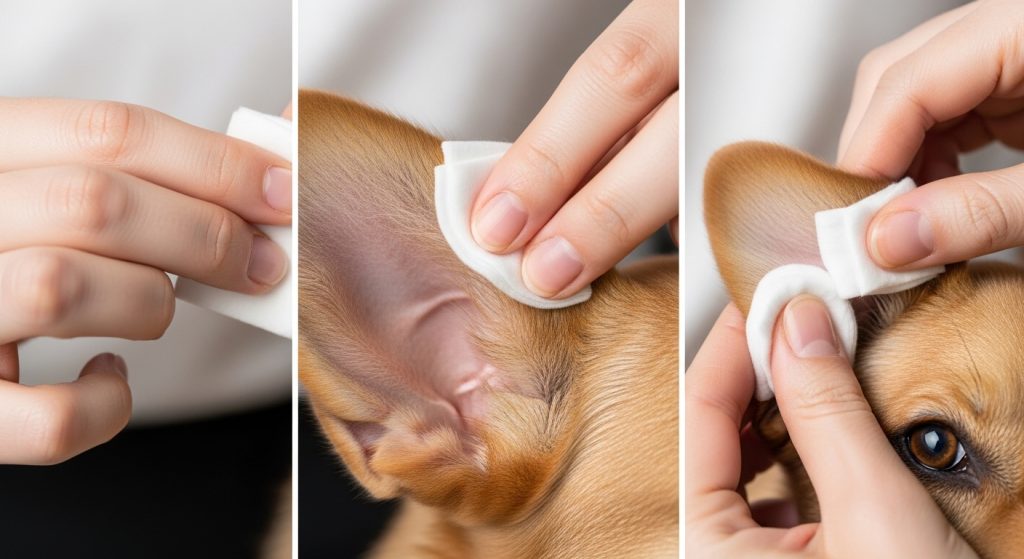
Cleaning the ear correctly is just as important as which remedy you use. Many owners accidentally push debris deeper inside. Follow these steps carefully:
1
Hold your dog’s ear flap up gently with one hand to open the ear canal.
2
Put your chosen solution into the ear canal using a dropper. Fill it enough to coat the inside.
3
Keep the ear flap up and massage the base of the ear for 30 to 60 seconds. You will hear a squishing sound — that is normal and good.
4
Let go and let your dog shake its head. This brings loosened debris up to the surface.
5
Use a clean cotton ball to wipe the outer part of the ear. Never use a cotton swab inside the canal — it pushes things deeper.
6
Give your dog a treat after. This makes the experience positive so your dog stays calm next time.
Never insert anything deep into your dog’s ear canal. The eardrum is very close and can easily be damaged. Only clean what you can clearly see.
Home remedies work for mild cases, but some situations need professional help. Go to a vet if:
A vet will look inside the ear with an otoscope, find out if it is bacteria, yeast, or mites, and prescribe the right medication. Do not wait too long — chronic infections can lead to permanent hearing loss.
Once you treat the infection, prevention is the next step. Here is what works:
Most dogs that get regular ear checks and cleanings never face serious infections. It takes only 5 minutes a week but saves a lot of pain later.
Can I use human ear drops on my dog?
No. Human ear drops have ingredients that are not safe for dogs. Always use products made for dogs or natural home remedies listed above.
How long does a mild ear infection take to clear up at home?
Most mild infections improve within 3 to 5 days of consistent home treatment. If you see no improvement after 7 days, visit a vet.
Can a dog ear infection go away on its own?
Very mild cases sometimes do, but it is rare. Without treatment, most infections get worse. Early action is always better.
Is it okay to use plain water to clean my dog’s ear?
Plain water does not kill bacteria or yeast. It can also stay trapped inside and make the infection worse. Use a proper cleaning solution instead.
Which dog breeds get ear infections the most?
Cocker Spaniels, Basset Hounds, Golden Retrievers, Labrador Retrievers, and Poodles are the most common. Their ear shape traps moisture more easily.
Can I prevent ear infections through my dog’s diet?
Yes. Diets high in processed carbs and sugar feed yeast growth. Feeding fresh, whole food and adding probiotics can reduce infections caused by yeast.
Here are all the reference sites with their direct links:
Medical / Veterinary Authority Sites
Practical / Natural Remedy Sites