Physical Address
304 North Cardinal St.
Dorchester Center, MA 02124
Physical Address
304 North Cardinal St.
Dorchester Center, MA 02124

If your cat throws up after eating, it can be worrying. Sometimes it happens because your cat ate too fast, but in other cases it may point to digestive problems, food sensitivity, stress, or hairballs. Understanding the real reason behind your cat vomiting after meals can help you protect your pet’s health before the issue becomes serious.
In this guide, you’ll learn the most common reasons cats throw up after eating, warning signs to watch for, and simple ways to help your cat feel better at home.
Cats may vomit after meals for many different reasons. Some are harmless and temporary, while others may need veterinary attention.
Here are the most common causes.
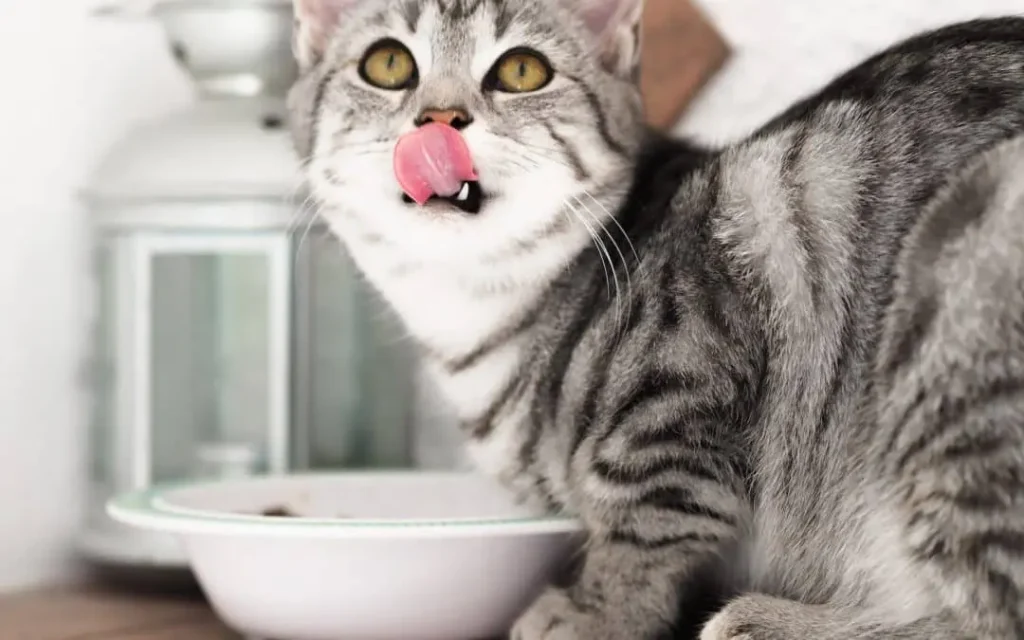
One of the biggest reasons cats vomit after eating is eating too quickly. When cats swallow food too fast, their stomach may reject it almost immediately.
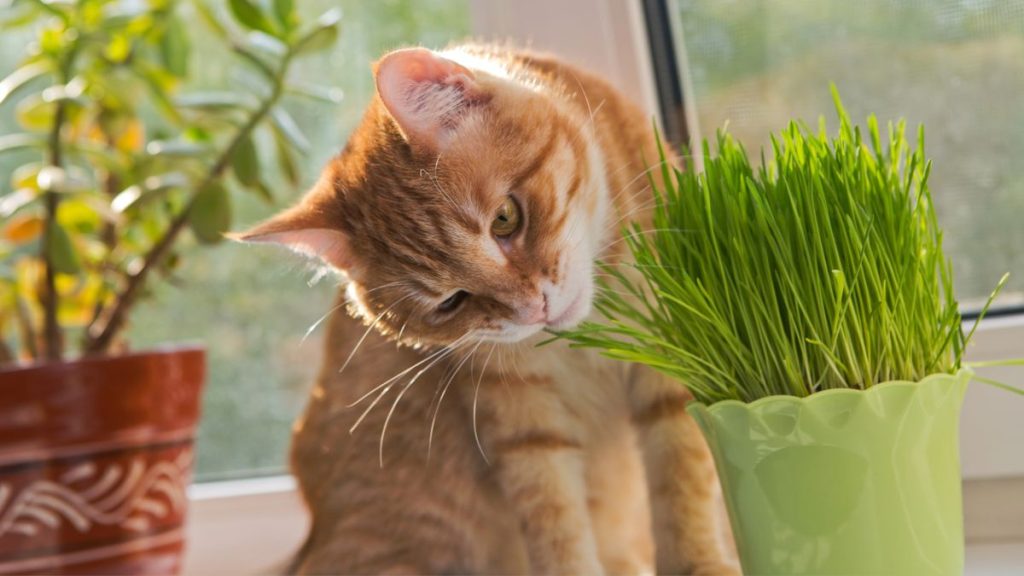
Cats groom themselves daily, and loose fur can build up inside the stomach. Sometimes hairballs irritate the digestive system and trigger vomiting after meals.
Changing cat food too quickly can upset your cat’s stomach. Cats usually need time to adjust to a new diet.
Mix the new food slowly with the old food over 7–10 days.
Some cats react badly to certain ingredients like chicken, fish, dairy, or artificial additives.
Try limited-ingredient cat food after speaking with a veterinarian.
Cats can develop stomach issues from stress. Moving homes, loud sounds, new pets, or changes in routine may trigger vomiting.
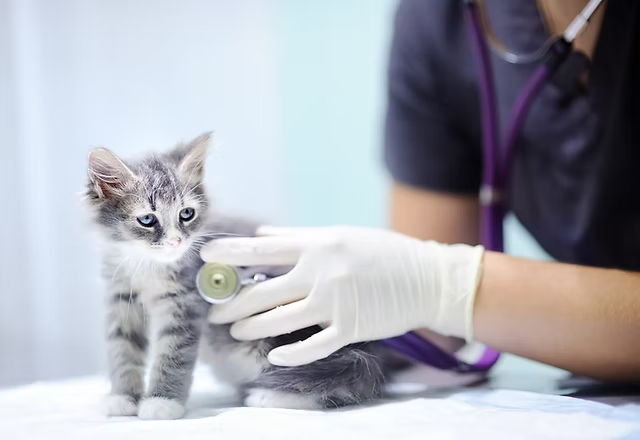
Occasional vomiting may not be dangerous, but frequent vomiting should never be ignored.
These symptoms may indicate infections, intestinal blockage, kidney disease, or other serious health problems.
You can reduce vomiting episodes with a few simple habits.
Healthy feeding habits can make a big difference in your cat’s digestion.
Occasional vomiting can happen, especially if a cat eats too quickly. Frequent vomiting is not normal and may need medical attention.
Usually because the cat ate too fast or has mild digestive irritation.
Yes, some cats struggle with certain dry foods or eat them too quickly.
Wait a short time, offer water, and then give a small amount of bland food. Contact a vet if vomiting continues.
A cat throwing up after eating is common, but it should not always be ignored. Fast eating, hairballs, stress, food sensitivities, and sudden diet changes are some of the most overlooked causes. Watching your cat’s behavior closely can help you identify the real problem early.
If vomiting happens frequently or comes with other symptoms, professional veterinary care is the safest option.