Physical Address
304 North Cardinal St.
Dorchester Center, MA 02124
Physical Address
304 North Cardinal St.
Dorchester Center, MA 02124

If your bird suddenly stops eating, it can be a serious warning sign. Birds have fast metabolisms, which means they can become weak very quickly without proper nutrition. Many beginner bird owners think their pet is simply being picky, but loss of appetite in birds is often connected to stress, illness, poor diet, or environmental problems.
The good news is that some causes are minor and can improve with simple home care. However, ignoring the problem for too long may lead to dangerous health complications.
In this complete guide, you’ll learn why birds stop eating, the most common symptoms to watch for, and safe ways to help your bird eat again at home.
Birds may refuse food for many different reasons. Sometimes the issue is temporary, while other cases may require veterinary care.
Common causes include:
Understanding the real cause is important for helping your bird recover.
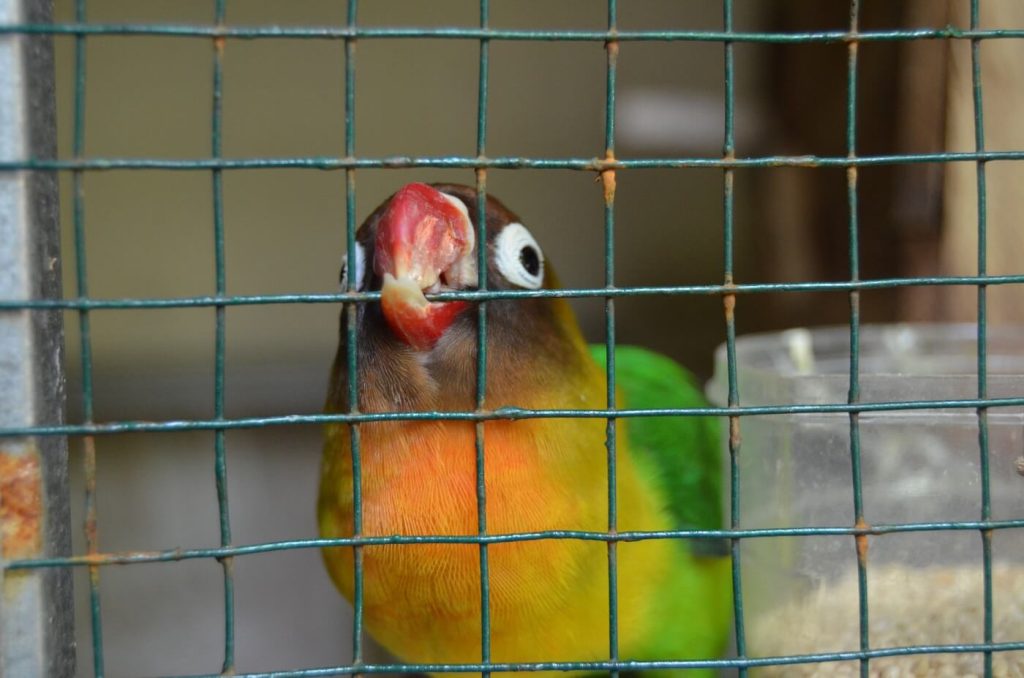
Stress is one of the biggest reasons birds stop eating. Birds are sensitive animals, and even small changes can affect their appetite.
A stressed bird may avoid food until it feels safe again.
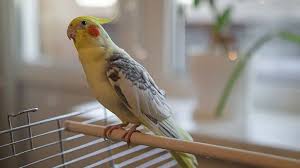
Loss of appetite is one of the first signs many sick birds show.
Birds naturally hide illness in the wild, so by the time symptoms appear, the condition may already be serious.
If your bird stops eating for more than 24 hours and shows other symptoms, veterinary care is important.
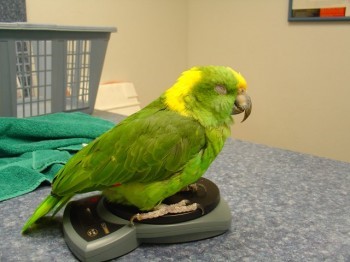
Birds can refuse food if bowls are dirty or water becomes contaminated.
Old food may develop:
Dirty water can also make birds sick.
Fresh food and clean water are essential for healthy birds.
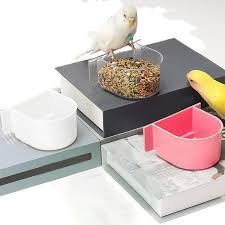
Many birds develop eating problems because they receive an unhealthy diet.
Some owners feed only seeds, which may lack important nutrients.
A poor diet can lead to:
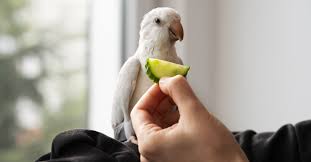
Birds often stop eating temporarily after:
This is especially common in parrots, budgies, and cockatiels.
Many birds adjust within:
Birds are sensitive to extreme temperatures.
Cold rooms or sudden drafts may reduce appetite and cause stress.
Keep the cage away from:
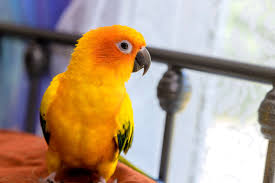
If your bird is refusing food, these simple steps may help encourage eating.
Birds often respond better to familiar foods during stressful times.
Try:
Stress reduction is extremely important.
Sometimes birds avoid food bowls placed in uncomfortable locations.
Make sure:
A bird that is not eating but still drinking water may still need medical attention if the problem continues.
Dehydration becomes dangerous very quickly in birds.
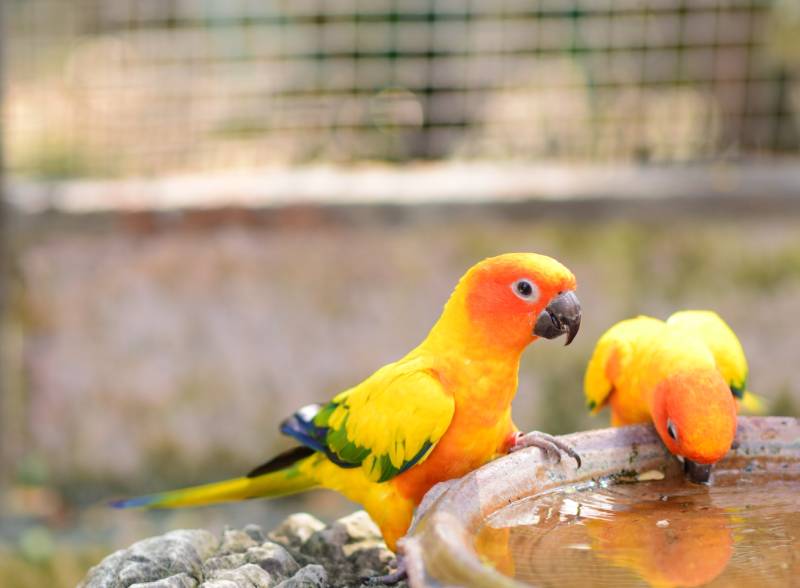
Some human foods are dangerous for birds.
These foods may cause serious health problems.
Loss of appetite becomes serious quickly in birds.
Early treatment greatly improves recovery chances.
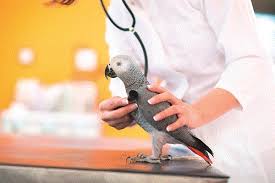
Good daily care helps keep birds healthy and active.
Feed nutritious foods appropriate for your bird species.
Clean food bowls and cage surfaces regularly.
Provide a stable routine and quiet environment.
Routine checkups help catch illness early.
Toys and interaction help prevent boredom and stress.
This may happen due to stress, illness, or digestive problems. If it lasts more than a day, contact a veterinarian.
Small birds can become weak very quickly, sometimes within 24–48 hours.
Yes. Stress is one of the most common causes of temporary appetite loss in pet birds.
Force-feeding should only be done by trained professionals because it may injure the bird.
Yes. Birds have fast metabolisms and can decline rapidly without proper nutrition.
A bird not eating should never be ignored. Stress, illness, poor diet, dirty water, and environmental changes are some of the most common reasons pet birds lose their appetite. In many cases, improving the bird’s environment and providing fresh healthy food may help quickly.
However, if symptoms continue or your bird appears weak, seeking veterinary care is the safest option. Early attention can make a major difference in your bird’s health and recovery.