Physical Address
304 North Cardinal St.
Dorchester Center, MA 02124
Physical Address
304 North Cardinal St.
Dorchester Center, MA 02124

Hair loss in guinea pigs can worry any pet owner. If you suddenly notice bald patches, thinning fur, or excessive shedding, your guinea pig may be dealing with stress, parasites, poor nutrition, or an underlying health issue. While some mild shedding is normal, unusual hair loss should never be ignored.
The good news is that many causes of guinea pig hair loss can be treated successfully when identified early. Understanding the symptoms and possible reasons behind fur loss can help keep your pet healthy and comfortable.
In this beginner-friendly guide, you’ll learn why guinea pigs lose hair, warning signs to watch for, simple home care tips, and when veterinary help may be necessary.
Guinea pigs naturally shed small amounts of fur throughout the year. However, large bald patches, itchy skin, redness, or crusty areas are not normal.
Abnormal hair loss may happen gradually or suddenly, depending on the cause.
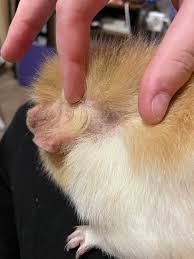
One of the most common causes of hair loss in guinea pigs is mites or skin parasites.
These tiny parasites irritate the skin and cause severe itching.
In serious cases, guinea pigs may even experience pain when touched.
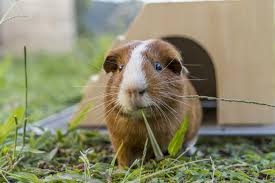
Ringworm is another common reason guinea pigs lose fur.
Despite the name, ringworm is caused by fungus, not worms.
Fungal infections spread easily between animals and sometimes humans.
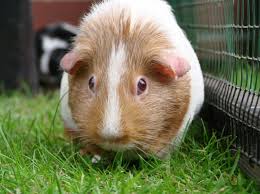
Guinea pigs require vitamin C because their bodies cannot produce it naturally.
A poor diet may lead to:
A balanced diet should include:
Stress can also trigger hair loss in guinea pigs.
Guinea pigs are sensitive animals and may become stressed due to:
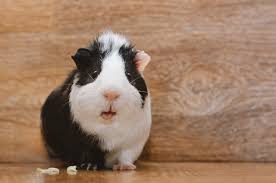
Sometimes guinea pigs chew their own fur or another guinea pig’s fur. This behavior is called barbering.
Hair loss from barbering often appears uneven with short broken fur.
Hormonal imbalances may cause symmetrical hair loss, especially in female guinea pigs.
Ovarian cysts are one possible cause in female guinea pigs.
Veterinary evaluation may be needed for proper diagnosis.
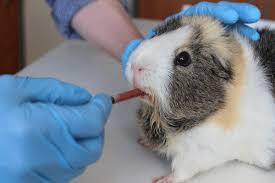
The best treatment depends on the cause of the problem.
Dirty bedding may worsen skin irritation and infections.
Good nutrition supports skin and coat health.
Watch for scratching, appetite changes, or worsening bald patches.
Never use human shampoos or medications without veterinary advice.
Hair loss becomes more serious if your guinea pig develops other symptoms.
Exotic pet veterinarians are usually best for guinea pig health problems.
In many cases, yes.
Hair often grows back after:
Recovery time depends on the severity and underlying cause.
Prevention is easier than treating serious skin problems later.
Provide enough vitamin C and high-quality hay.
Replace dirty bedding often.
Guinea pigs need enough space to feel comfortable.
Keep the environment calm and predictable.
Check fur and skin weekly for early signs of problems.
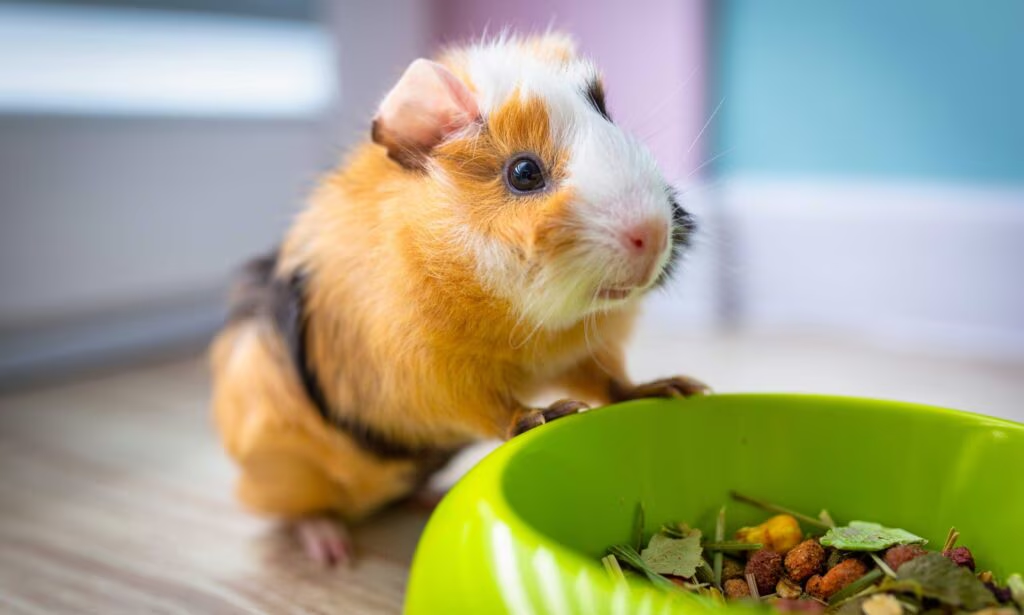
Possible causes include mites, fungal infection, barbering, or hormonal issues.
Yes. Stress and anxiety may lead to fur chewing or thinning hair.
Small amounts of shedding are normal, but bald patches are not.
Yes. Ringworm is contagious and can spread to humans.
Vitamin C-rich vegetables and quality hay help maintain healthy skin and fur.
Hair loss in guinea pigs can happen for many reasons, including mites, fungal infections, poor nutrition, stress, or barbering behavior. While mild shedding is normal, unusual bald patches and itching should never be ignored.
The key to keeping your guinea pig healthy is early attention, proper nutrition, clean housing, and regular monitoring. In many cases, hair grows back successfully once the underlying problem is treated.
If symptoms become severe or continue worsening, professional veterinary care is the safest option for your pet.