Physical Address
304 North Cardinal St.
Dorchester Center, MA 02124
Physical Address
304 North Cardinal St.
Dorchester Center, MA 02124

If you’ve ever searched online for chameleon care advice, you already know how confusing it gets. One website says one thing, another says the opposite, and somehow every YouTube comment section turns into a war zone.
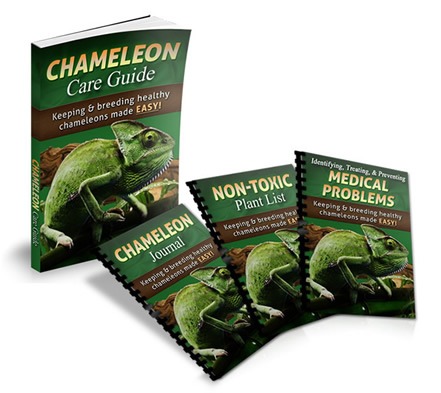
A few weeks ago, I decided to stop jumping between random forums and actually follow one complete guide from start to finish. That’s when I found the book “Chameleon Care Guide: Keeping & Breeding Healthy Chameleons Made Easy.”
And after spending time with it, I can honestly say this was one of the few pet care resources that actually felt written by someone who understands what beginner owners struggle with.
The first thing I noticed was that the guide doesn’t try to sound overly scientific or complicated. It’s written in plain English, which made it easy to follow even during late-night reading sessions when I was trying to fix my enclosure setup.
The book immediately focuses on one important reality:
Chameleons are amazing pets, but they are not low-maintenance.
That alone already made it feel more trustworthy than a lot of flashy “easy exotic pet” articles online.
One of the best parts of the guide was the section explaining how to spot unhealthy chameleons before problems become serious.
Before reading this, I honestly didn’t realize how subtle stress and illness can look in reptiles. The guide breaks down warning signs in a way that’s easy to understand without sounding scary.
As a new owner, this gave me way more confidence because I finally understood what “normal behavior” actually looks like.
I’ll be honest — I originally thought setting up a chameleon enclosure would be simple.
I was wrong.
The book goes deep into:
One thing I appreciated was how the author explains why each setup detail matters instead of just giving random instructions.
After adjusting my enclosure based on the guide, my chameleon became noticeably more active and comfortable.

This section alone probably saved me hours of research.
The guide explains:
I liked that the information felt practical instead of overly technical.
A lot of free blogs online either oversimplify feeding or overload you with reptile jargon. This guide stayed balanced.
The biggest reason I kept reading was because it felt personal.
The author talks like an actual chameleon owner, not like someone rewriting generic pet content for clicks.
There’s a noticeable difference when advice comes from real experience.
Some parts genuinely felt like advice from someone who already made the mistakes you’re trying to avoid.
That made the whole thing easier to trust.
A few topics I honestly didn’t expect the guide to cover:
The section about hydration especially stood out because many new owners underestimate how important proper watering systems are.

Yes — especially for beginners.
If you already have years of reptile experience, some sections may feel familiar.
But for someone new to chameleons, this guide helps organize everything in one place instead of forcing you to piece information together from dozens of websites.
That convenience alone made it worth reading for me.
To keep this review fair, there were a few small things I think could be improved.
Some sections repeat ideas more than necessary, and parts of the writing feel slightly old-school compared to modern interactive guides or video tutorials.
But honestly, the actual care information itself still feels solid and useful.
And I’d rather have slightly repetitive information than incomplete information when it comes to exotic pets.
After reading through the guide and applying some of the advice myself, I understand why so many beginner owners struggle with chameleons.
There are a lot of small details that matter.
This guide helped simplify those details in a way that felt practical and realistic.
I wouldn’t call it a magic solution or “perfect pet manual,” but if you want one organized resource that covers the basics of chameleon care clearly without making things overly complicated, this was genuinely a helpful read.
Especially if you’re tired of digging through random Reddit threads and conflicting blog posts.

Yes. The writing style is simple and easy to follow, even if you’ve never owned a reptile before.
Yes. Those are actually some of the strongest sections in the book.
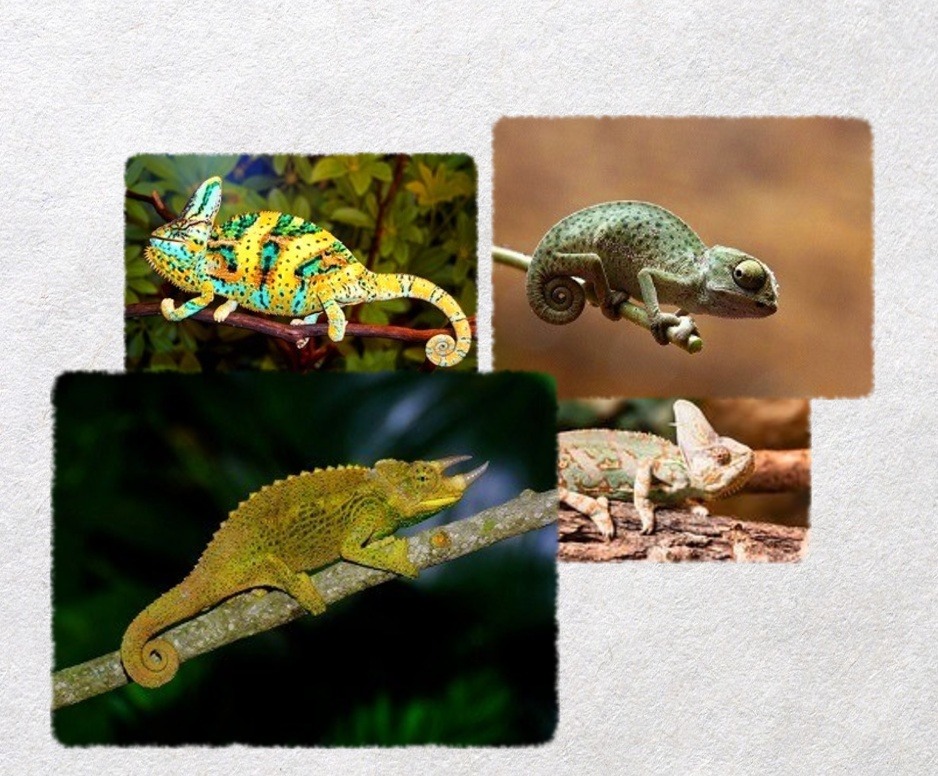
No. The guide discusses general chameleon care and also references different species.