Physical Address
304 North Cardinal St.
Dorchester Center, MA 02124
Physical Address
304 North Cardinal St.
Dorchester Center, MA 02124

Cloudy fish tank water is one of the most common problems aquarium owners face, especially beginners. You clean the tank, feed the fish properly, and still the water suddenly looks white, green, or dirty. Many fish owners panic when this happens, but cloudy aquarium water usually has a specific cause that can be fixed with the right care.
In some cases, cloudy water is harmless and temporary. In other situations, it may signal poor water quality, overfeeding, algae growth, or dangerous bacteria levels that can stress or even kill your fish.
In this complete guide, you’ll learn why fish tank water becomes cloudy, how to fix it safely, and the best ways to keep your aquarium crystal clear long-term.
Cloudy water happens when tiny particles, bacteria, algae, or waste build up inside the aquarium. The water may appear:
The color and timing often help identify the real problem.
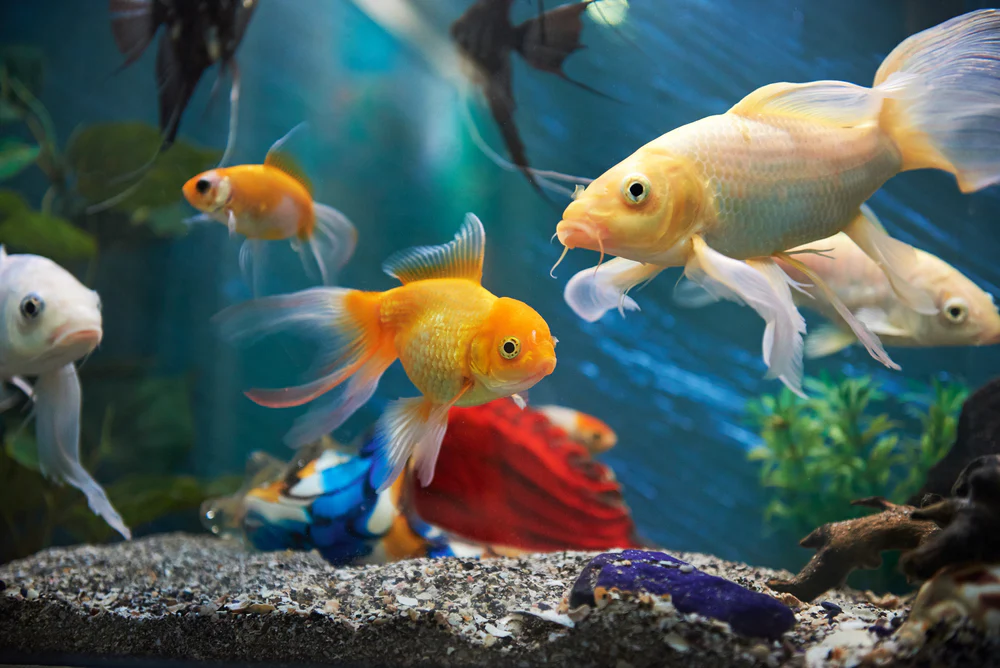
Sometimes cloudy water is harmless for a short period, especially in a newly set up tank. However, if the issue continues, it can lower oxygen levels and increase harmful toxins like ammonia and nitrite.
Fish living in poor water conditions may develop:
That is why identifying the cause quickly is important.
One of the biggest reasons beginners see cloudy water is a bacterial bloom. This often happens in newly set up aquariums.
When a tank is new, beneficial bacteria are still growing. These bacteria help break down fish waste and toxins. During this process, the water may suddenly turn cloudy or milky white.
Most bacterial blooms disappear naturally within several days.
Overfeeding is another major reason fish tank water becomes cloudy. Uneaten food breaks down and pollutes the water quickly.
Extra food creates:
Many beginner fish owners feed too much because fish always appear hungry.
Your aquarium filter removes waste and helps maintain healthy water. If the filter becomes clogged or weak, debris may stay suspended in the water.
A properly working filter is essential for clear water.

If your tank water looks green instead of white, algae is usually the problem.
Green water happens when microscopic algae multiply rapidly due to:
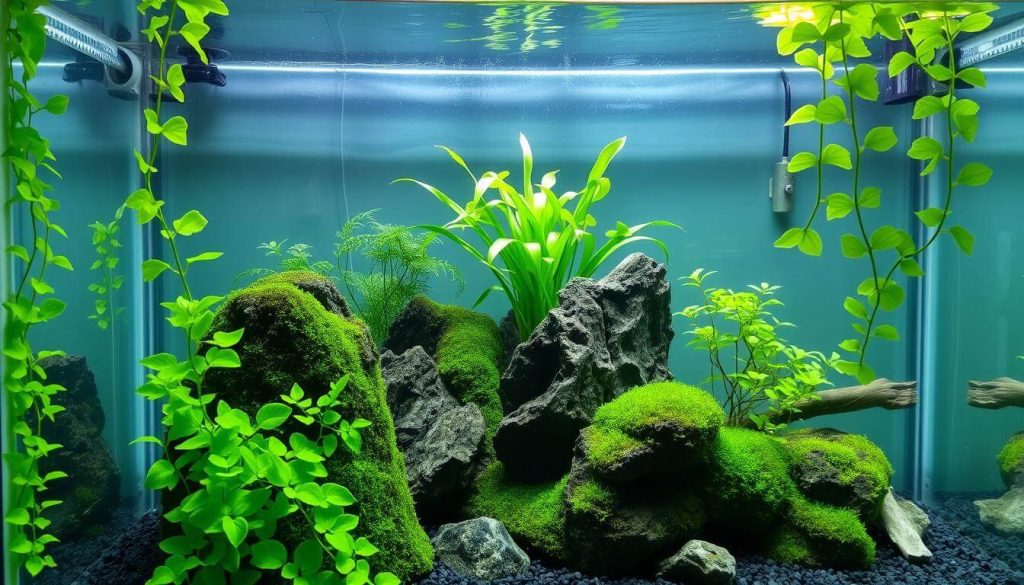
Changing too much water at once can disturb the aquarium’s biological balance.
Some beginners completely empty and clean the tank, which removes beneficial bacteria and causes instability.
Fish waste, dead plants, and leftover food often collect under the gravel. Over time, this creates cloudy water and dangerous toxins.
Use a gravel vacuum during water changes to remove trapped waste safely.
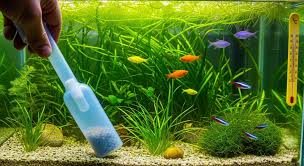
Too many fish in a small tank creates excess waste faster than the filter can handle.
Overstocking often causes:
Research the proper tank size for your fish species and avoid overcrowding.
If your aquarium water is cloudy, follow these simple steps:
Check:
Poor water chemistry often causes cloudiness.
Feed less food for a few days to lower waste buildup.
Never replace all filter media at once.
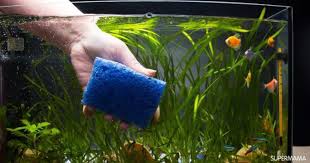
Change 20–30% of the water every few days if necessary.
Vacuum gravel and remove dead plants regularly.
The answer depends on the cause.
| Cause | Typical Duration |
|---|---|
| New tank bacterial bloom | Few days to 2 weeks |
| Overfeeding | Until waste removed |
| Algae bloom | Several days to weeks |
| Dirty filter | Improves after cleaning |
| Overstocking | Continues until fixed |
Patience is important because sudden aggressive cleaning can sometimes worsen the problem.
Prevention is easier than fixing aquarium problems later.
Avoid giving more food than fish can eat quickly.
Clean filter media gently and regularly.
Keep appropriate fish numbers for your tank size.
Partial water changes help maintain healthy water quality.
Water testing helps catch problems early.
Too much light encourages algae growth.
Cloudy water becomes more serious if your fish show signs of illness.
These symptoms may indicate ammonia poisoning or poor oxygen levels.
If fish appear sick, test the water immediately and consider consulting an aquarium professional.
New tanks often experience bacterial blooms during the cycling process.
Yes, poor water quality and high ammonia levels can become dangerous if ignored.
No. Large water changes may disturb beneficial bacteria. Partial changes are safer.
Most aquariums benefit from weekly partial water changes and regular gravel cleaning.
Not always, but weak or dirty filters can contribute to cloudy water problems.
Cloudy fish tank water is extremely common, especially for beginners, but the good news is that most causes are easy to fix. Overfeeding, bacterial blooms, algae growth, dirty filters, and poor maintenance are the most overlooked reasons aquarium water becomes cloudy.
The key to a healthy aquarium is patience and consistency. Proper feeding, regular water changes, good filtration, and balanced tank care will help keep your aquarium water clean and your fish healthy.
With the right routine, your tank can stay clear, beautiful, and safe for your fish long-term.