Physical Address
304 North Cardinal St.
Dorchester Center, MA 02124
Physical Address
304 North Cardinal St.
Dorchester Center, MA 02124

You check your dog carefully — no fleas, no ticks, nothing. But still, your furry friend just won’t stop scratching. It’s heartbreaking to watch, right?
You’re not alone. Thousands of dog owners face this exact problem every single day. The scratching, the biting, the constant restlessness — and the most confusing part? No fleas in sight.
Here’s the truth: fleas are actually just one of many reasons a dog can itch. And sometimes, the real cause is something you’d never even think of — hiding in their food bowl, floating in the air, or lurking right in your carpet.
In this post, you’ll learn:
Let’s get your dog comfortable again. 🐾

Max was a 3-year-old Labrador. His owner, Sarah, was desperate. She had checked him for fleas a dozen times. Nothing. But Max scratched all day, every day. His skin was turning red and he was losing fur in patches.
Sarah thought she was doing everything right — good food, regular baths, monthly flea treatment. So what was wrong?
The answer surprised her completely.
Max had a food allergy to chicken — the main ingredient in his “premium” dog food.
Stories like Max’s are more common than you think. And the solution, once you find the root cause, is usually simpler than you’d expect.
Let’s break down the real culprits one by one.
🌾 Food Allergies — The Hidden Enemy in the Bowl

This is one of the biggest causes of itching that most owners completely miss.
Dogs can develop allergies to common ingredients like:
The tricky part? A food allergy can develop even after years of eating the same food. Your dog’s immune system can suddenly decide it doesn’t like something it’s been eating forever.
Signs of food allergy in dogs:
What to do: Try an elimination diet. Switch to a food with a completely new protein source — something your dog has never eaten before, like duck, venison, or salmon. Stick with it for at least 8 to 12 weeks before judging results.

Just like humans get hay fever, dogs can be allergic to things in their environment. This is called atopic dermatitis and it’s extremely common.
Common environmental triggers include:
You might notice the itching gets worse in spring or fall — that’s a classic sign of seasonal environmental allergy.
Signs to look for:
What to do:
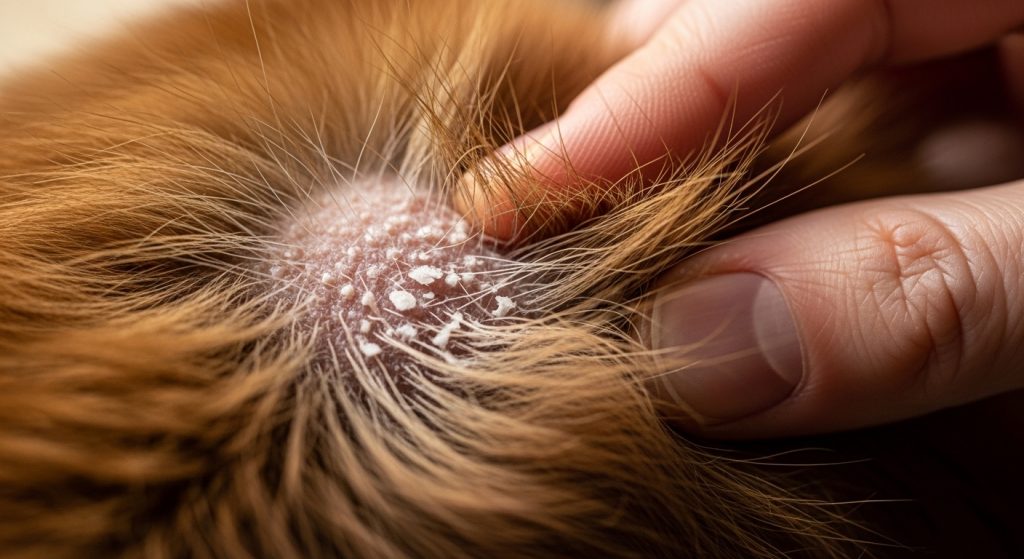
Sometimes the answer is the simplest one. Dry skin causes intense itching, and it’s often overlooked because it doesn’t look dramatic.
Dry skin in dogs is common during:
You might see white flakes in your dog’s fur — similar to dandruff in humans. The skin might look dull or feel rough to touch.
What to do:

If your dog is not only scratching but also has a bad smell, greasy skin, or dark crusty patches, a skin infection might be to blame.
Two main types:
Bacterial Infection (Pyoderma)
Yeast Infection
Both infections are often secondary — meaning they happen because the skin was already irritated from allergies or dry skin, and then bacteria or yeast moved in.
What to do: These usually need vet-prescribed treatment — either medicated shampoo, topical cream, or oral antibiotics/antifungals. Don’t try to treat a skin infection at home for too long.
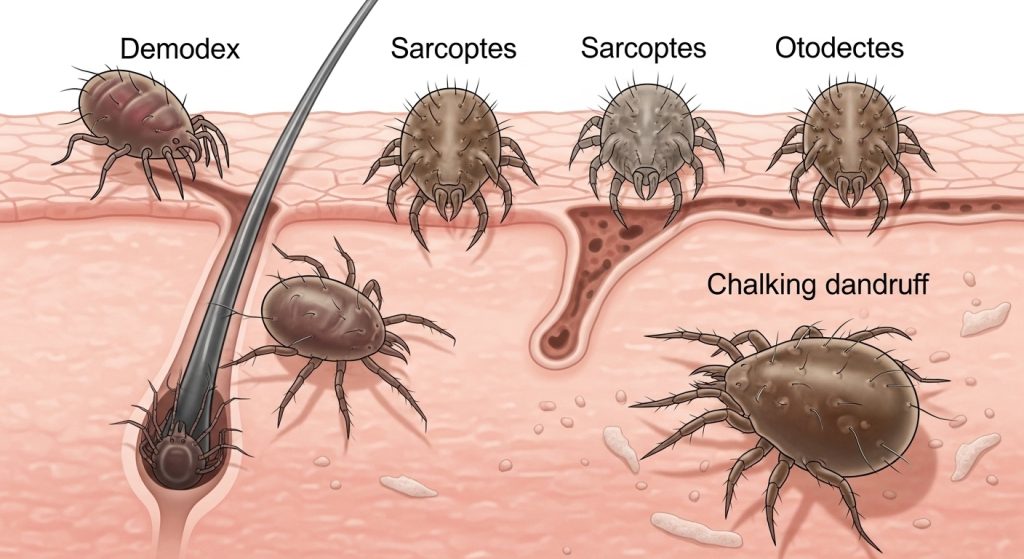
Can’t find fleas but your dog is going crazy with itching? Mites might be the culprit. These tiny creatures are too small to see with the naked eye.
Two common types:
Sarcoptic Mange (Scabies)
Demodex Mites
What to do: If you suspect mites, see your vet immediately. They’ll do a skin scraping test to confirm. Treatment is very effective once diagnosed.

Does your dog scratch more after lying on a certain rug? Or after walking on a specific surface? They might have contact dermatitis — an allergic reaction to something touching their skin directly.
Common culprits:
What to do:

If your dog:
…it might be anxiety-driven.
What to do:
Never punish scratching — it increases stress and makes it worse
Increase daily exercise and mental stimulation (puzzle toys, training sessions)
Try calming supplements like melatonin or L-theanine (ask your vet first)
Look into behavioral training if separation anxiety is severe

Before rushing to the vet for every scratch, there are some safe and effective home remedies worth trying:
| Remedy | How It Helps | How to Use |
|---|---|---|
| Oatmeal bath | Soothes irritated skin | Grind plain oats, mix in warm bath water |
| Coconut oil | Moisturizes, anti-bacterial | Apply small amount directly to itchy skin |
| Apple cider vinegar | Anti-fungal, anti-bacterial | Dilute 50/50 with water, spray on affected area (not open wounds!) |
| Fish oil supplement | Reduces inflammation from inside | Add to food daily |
| Aloe vera gel | Cooling and healing | Apply pure aloe (no additives) to red patches |

Home remedies are great for mild cases. But some situations need professional help right away.
See your vet if:
A vet can run allergy tests, skin scrapings, or blood work to find the exact cause. The sooner you know, the sooner your dog gets relief.
Depending on the cause, treatment options may include:

Let’s bring it all together. If your dog is itching with no fleas:
Your dog can’t tell you what’s wrong. But their skin is trying to. The more you pay attention, the faster you can get them back to their happy, tail-wagging self. 🐾
Drop a comment below and tell us — what was causing your dog’s itching? What finally worked? Your experience might help another dog owner going through the same thing right now.
And if this post helped you, share it with a fellow dog parent — because every dog deserves to feel comfortable in their own fur. 🐶❤️