Physical Address
304 North Cardinal St.
Dorchester Center, MA 02124
Physical Address
304 North Cardinal St.
Dorchester Center, MA 02124

Dry skin in cats is a common problem that many pet owners ignore until symptoms become severe. If your cat has flaky skin, excessive scratching, dandruff, or rough fur, it may be dealing with dry skin caused by weather changes, poor diet, allergies, or underlying health issues.
The good news is that mild dry skin in cats can often improve with proper care, nutrition, and a few simple home remedies.
In this guide, you’ll learn the main causes of dry skin in cats, common symptoms, easy treatments, and when it’s time to visit a veterinarian.
Dry skin can happen for many reasons. Some are harmless and temporary, while others may need medical attention.
Below are the most common causes.
During winter or in dry indoor environments, cats can lose moisture from their skin. Heated rooms and low humidity often make the problem worse.
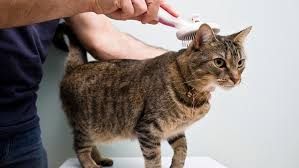
Cats need healthy fats, vitamins, and protein for healthy skin and fur. Low-quality food may lead to skin dryness and shedding problems.
Choose high-quality cat food rich in:
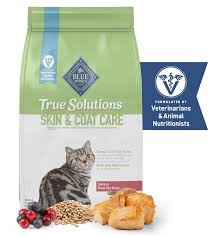
Cats can develop allergies from food, dust, pollen, cleaning products, or flea bites. Allergies often cause itching and skin inflammation.
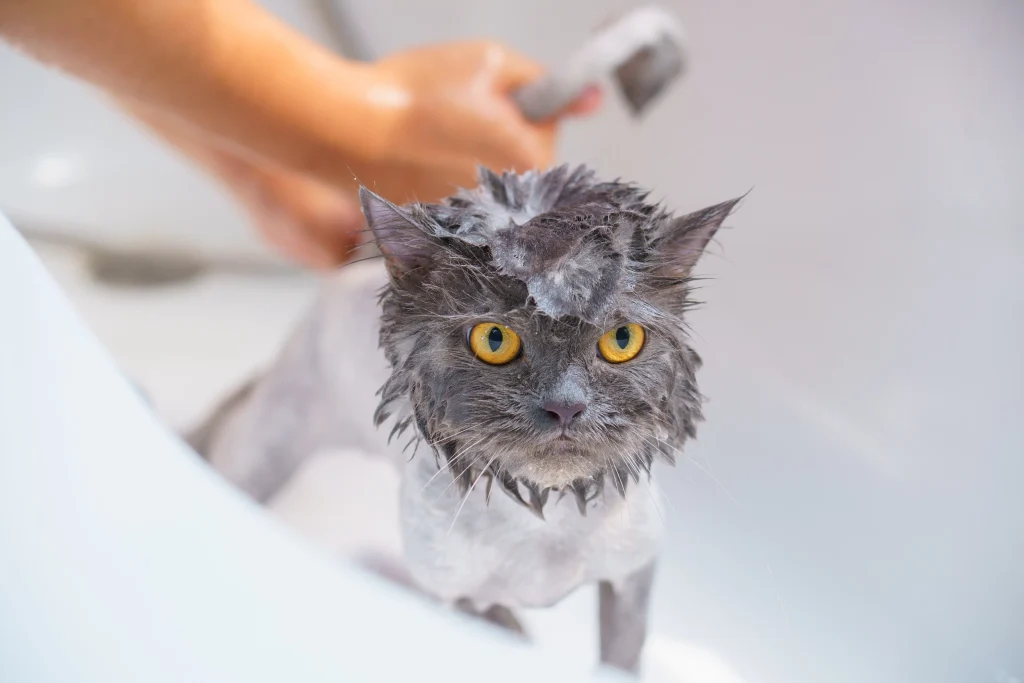
Frequent bathing can remove natural oils from a cat’s skin and cause dryness.
Cats usually do not need frequent baths unless recommended by a veterinarian.
Fleas and mites can irritate your cat’s skin and lead to severe scratching and dryness.
Use vet-approved flea prevention products and clean bedding regularly.
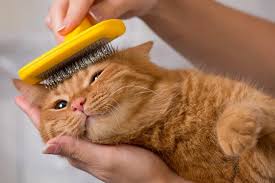
Mild dry skin may improve with simple care at home.
These small habits can help improve skin health naturally.
Sometimes dry skin can be linked to infections or medical conditions.
Persistent symptoms may indicate allergies, fungal infections, or other health problems.
Preventing dry skin is often easier than treating it later.
Healthy skin usually means your cat is receiving proper overall care.
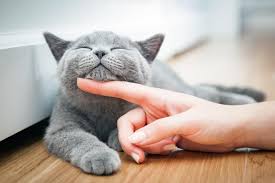
Cat dandruff is often caused by dry skin, poor grooming, dehydration, or allergies.
Mild dryness is usually not serious, but severe itching or skin damage may need veterinary care.
No. Many human skincare products contain ingredients that may be unsafe for cats.
Some low-quality foods may contribute to skin problems if they lack proper nutrients.
Dry skin in cats is a common issue, but it should not be ignored. Weather changes, poor diet, allergies, parasites, and dehydration are some of the most common causes. With proper nutrition, grooming, and home care, many cats recover quickly and maintain a healthy coat.
If symptoms continue or become severe, visiting a veterinarian is the safest choice for your cat’s health.