Physical Address
304 North Cardinal St.
Dorchester Center, MA 02124
Physical Address
304 North Cardinal St.
Dorchester Center, MA 02124

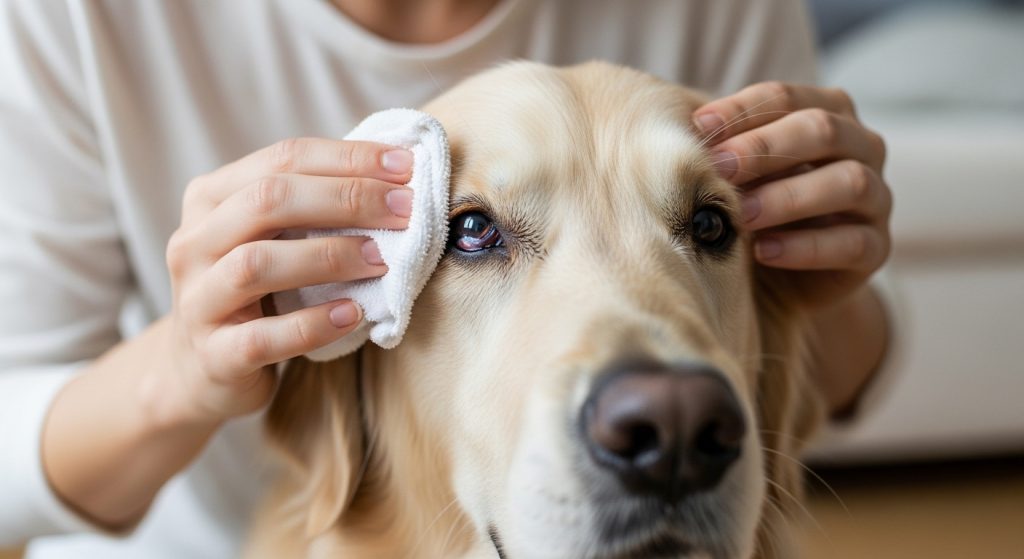
Have you ever looked at your dog in the morning and noticed crusty stuff stuck around their eyes? That moment of worry — “Is my dog okay? Is this serious?” — every dog parent knows it.
The truth is, eye discharge in dogs is one of the most common issues pet owners face. Sometimes it’s completely harmless. Sometimes it’s a warning sign your body can’t ignore. And most of the time? You can actually do something about it right at home — if you know what you’re doing.
This guide will walk you through:
Let’s start from the beginning.
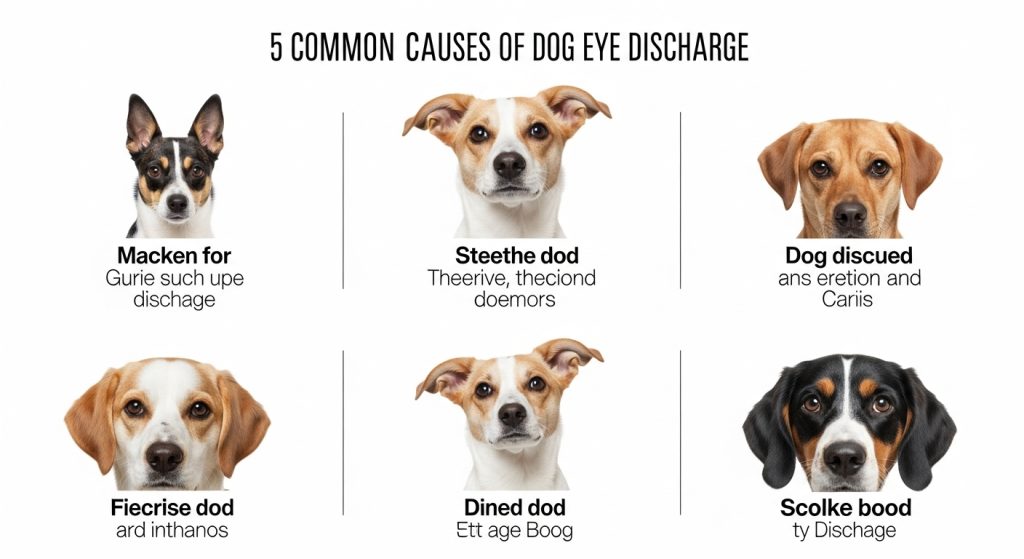
Before you treat anything, you need to understand why it’s happening.
Think of your dog’s eyes like a little self-cleaning system. Tears wash away dust, bacteria, and debris all day long. But sometimes that system gets overloaded — or broken — and discharge builds up.
Here are the most common causes:
Just like humans wake up with “eye boogers,” dogs do too. A small amount of clear or slightly grey crust in the corner of the eye after sleep? Totally normal. This is just dried tears and mucus — nothing to panic about.
Dogs are allergic to the same things humans are — pollen, dust, mold, certain foods. When allergies hit, the eyes water and produce more discharge than usual. You’ll usually notice:
This is where things get more serious. Bacterial or viral infections cause the eyes to produce thick, yellow or green discharge. The eye may look red, swollen, or “goopy.”
Conjunctivitis doesn’t go away on its own — it needs treatment.
Some dogs — especially flat-faced breeds like Pugs, Bulldogs, and Shih Tzus — have tear ducts that don’t drain properly. Tears overflow onto the face, causing dark staining under the eyes (called “tear stains”).
When a dog’s eyes don’t produce enough tears, the body compensates by producing thick, sticky, yellowish mucus. This condition is called “dry eye” and it needs veterinary attention.
If your dog suddenly has one eye discharging more than the other, a grass seed, dust particle, or small scratch on the cornea could be the cause.
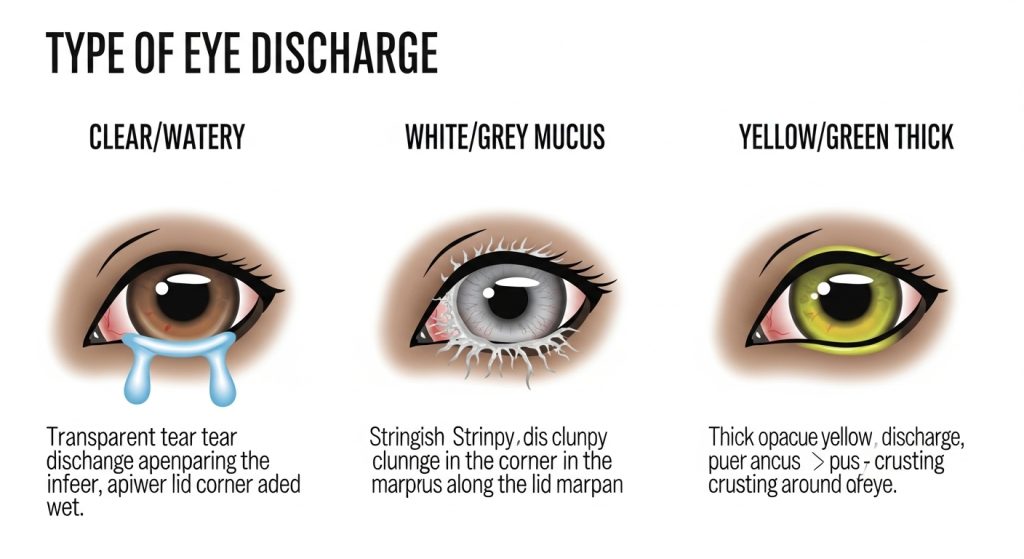
This part is important. The color and texture of the discharge gives you a major clue about what’s going on.
| Discharge Type | What It Looks Like | What It Might Mean |
|---|---|---|
| Clear, watery | Like plain water running from the eye | Allergies, dust, mild irritation |
| White or grey, crusty | Dried crust in corner of eye | Normal sleep discharge |
| Yellow or green, thick | Gooey, pus-like | Bacterial infection — needs treatment |
| Brown/reddish staining | Stains under the eye | Blocked tear ducts, epiphora |
| One eye only, sudden | Only one eye affected | Possible injury or foreign object |
Quick Rule:
Okay — let’s get to what you actually came here for.
If your dog has mild, clear discharge — or normal eye crust — these home treatments are safe, effective, and easy.
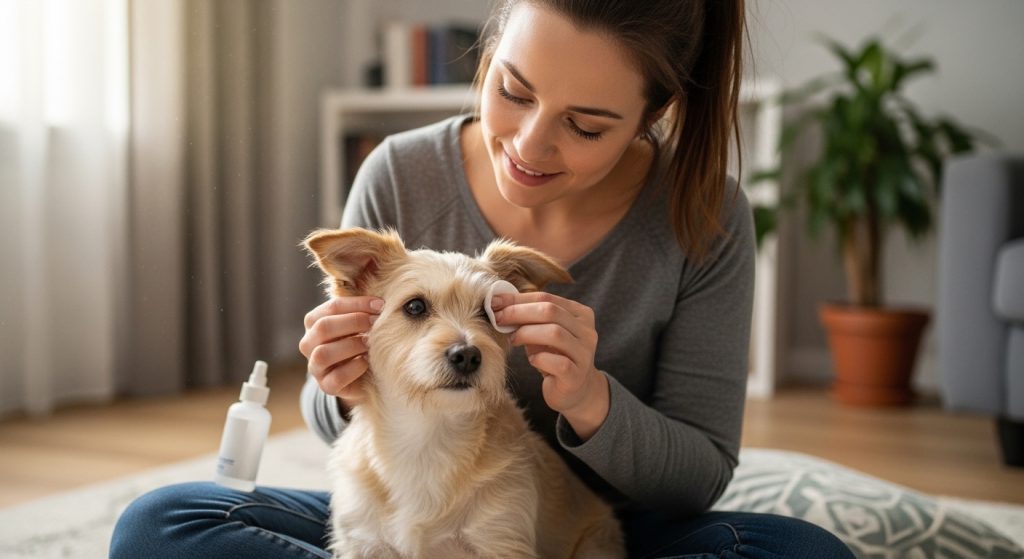
This is the foundation. Before anything else, you need to clean the discharge away gently.
What you need:
How to do it:
Pro tip: Do this right after your dog wakes up, when crust is most built up. The warmth softens the crust and makes it easier to remove without pulling.
Saline (salt water) is a gentle, natural way to flush the eye and reduce irritation — especially for dogs with mild allergies or dusty environments.
How to make it at home:
How to use it:
Do this once or twice a day for mild irritation.
⚠️ Important: Do NOT use tap water directly — it can contain chlorine and other chemicals that irritate the eye. Always use distilled or boiled-and-cooled water.
Chamomile has natural anti-inflammatory and mild antiseptic properties. Many dog owners swear by this for reducing redness and swelling around the eyes.
How to do it:
This works especially well for dogs with puffy, irritated eyes from allergies.
⚠️ Make sure the tea is completely cool before applying — you don’t want to burn your dog’s sensitive skin.
If your dog has those dark brownish-red streaks under their eyes (especially common in white-coated breeds like Maltese or Bichon Frise), coconut oil can help reduce the staining over time.
How to use it:
The coconut oil helps moisturize the skin, reduce bacterial growth that causes the staining, and over time, lightens the discoloration.
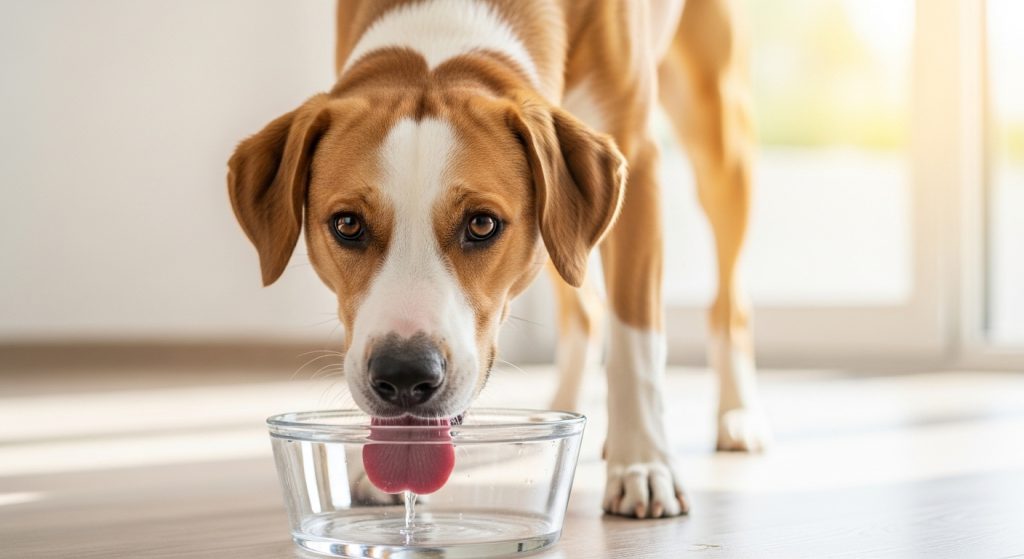
Here’s something most people miss: what your dog eats directly affects their eye health.
What you can do:
[IMAGE PROMPT: Close-up of a white Maltese dog with brownish tear stains under its eyes — before and after comparison style, clean background]
Tear stains are a cosmetic issue, but they can become a hygiene problem if bacteria grow in the wet fur.
Here’s a simple routine to keep them under control:
Daily routine:
Weekly routine:
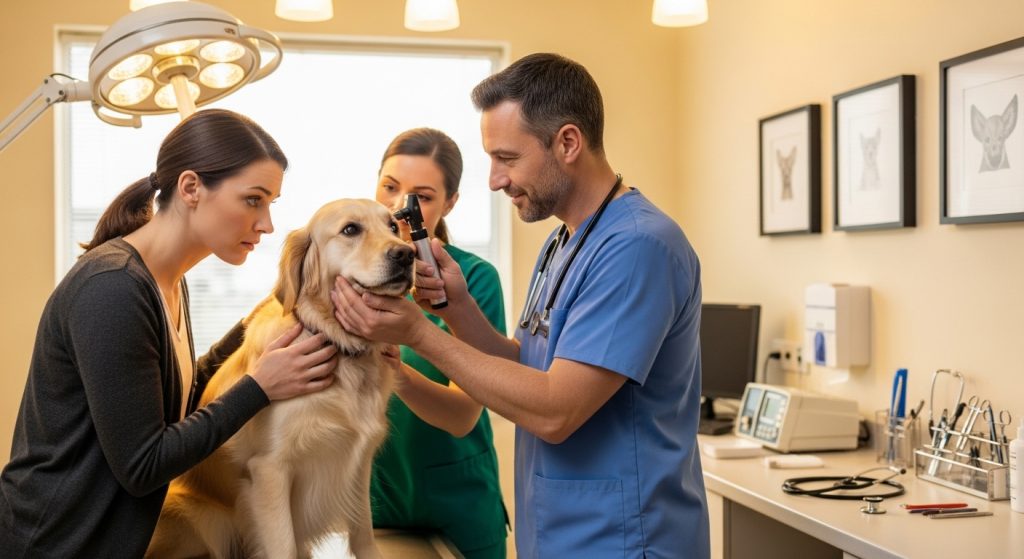
Home treatment is great — but it’s not always enough. Here are the signs that tell you it’s time to call your vet:
🚨 See a vet immediately if:
Don’t wait with eye issues. Eyes are sensitive, and infections can get serious quickly. A simple infection treated early costs much less — in money and in your dog’s comfort — than one that’s been left too long.
[IMAGE PROMPT: Side-by-side of a Pug, Shih Tzu, and Cocker Spaniel — highlighting their distinct facial features and eye area, cute and educational style]
Some dog breeds are just naturally more prone to eye discharge. If you have one of these breeds, you’ll need to make eye cleaning a permanent part of your routine.
Flat-faced (Brachycephalic) breeds:
Droopy-eyed breeds:
Long-haired breeds:
If you own one of these breeds, weekly eye maintenance is as important as bathing.
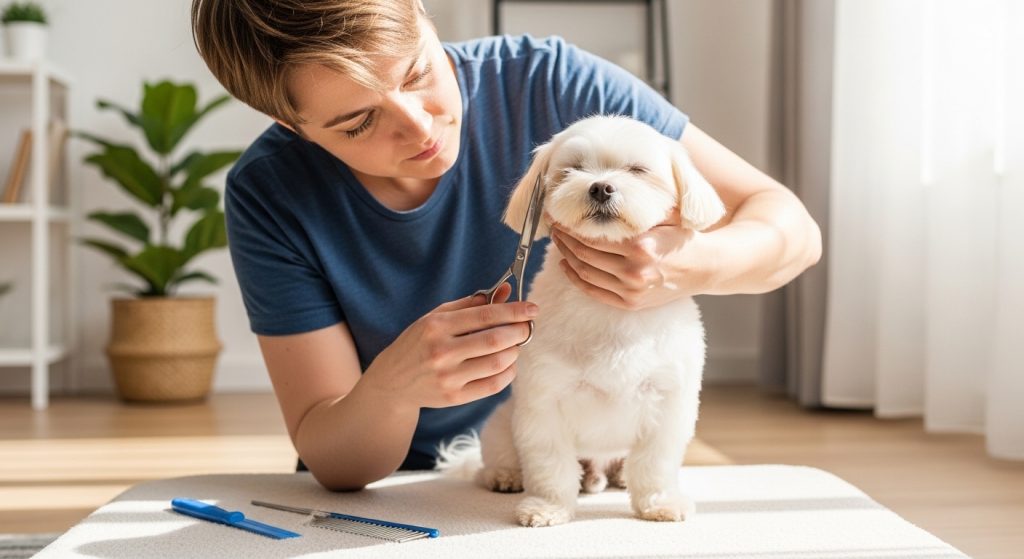
Prevention is always better than treatment. Here’s what you can do every day:
✅ Clean eyes every morning — remove overnight crust before it hardens ✅ Keep fur around the eyes trimmed — long hair traps moisture and bacteria ✅ Use filtered or distilled water in your dog’s bowl — tap water minerals can cause tear staining ✅ Wash your dog’s face regularly — especially after outdoor activities ✅ Check eyes after walks — grass, pollen, and dust can get in quickly ✅ Keep their sleeping area clean — dirty bedding is a hidden source of eye irritation ✅ Schedule regular vet checkups — catch issues early before they become serious
Q: Can I use human eye drops on my dog? No — most human eye drops contain ingredients that are not safe for dogs. Only use products specifically made for pets, or plain saline solution.
Q: How often should I clean my dog’s eyes? For most dogs, once a day in the morning is enough. Dogs prone to discharge (flat-faced breeds, long-haired breeds) may need cleaning 2-3 times a day.
Q: Is eye discharge contagious to other dogs? If it’s caused by a bacterial or viral infection, yes — it can spread to other dogs. Keep infected dogs away from others and wash your hands after handling their eye area.
Q: My dog hates eye cleaning. What can I do? Start slowly. Let them sniff the cotton ball first. Clean during calm moments (after a walk or after eating). Always reward with a treat immediately after. Over time, they’ll get used to it.
Q: Can puppies get eye discharge? Yes — puppies can get eye infections easily because their immune systems are still developing. Any discharge in a puppy under 3 months should be checked by a vet.
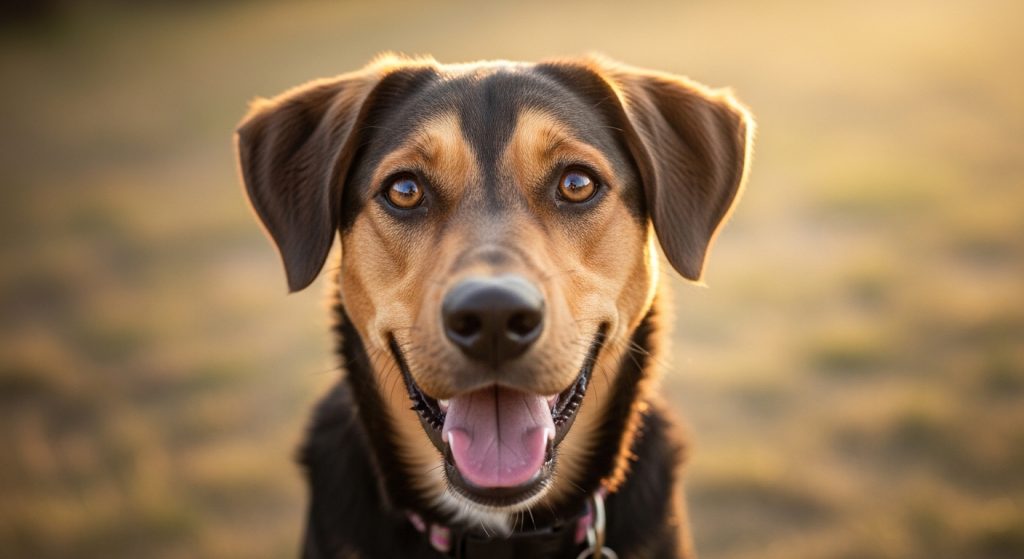
Eye discharge in dogs is something almost every dog parent deals with at some point. The good news? Most of the time, it’s manageable right at home with simple, gentle care.
The key things to remember:
Your dog can’t tell you when something hurts. Their eyes — and how they look every morning — are one of the few ways their body quietly communicates with you.
Pay attention. Stay consistent. And when in doubt, call your vet.
Because a dog with bright, clear, healthy eyes? That’s a happy dog. 🐾
Have questions about your dog’s eye health? Drop them in the comments below — I’d love to help!
This article was researched and written based on the following trusted veterinary and pet health sources:
1. Caninescape.com Dog Eye Discharge – Causes, Home Remedies & Safe Treatments 🔗 https://caninescape.com/dog-eye-discharge-causes-home-remedies-when-to-see-a-vet/
2. Vetcare Malta (Licensed Veterinary Clinic) Dog Eye Infection: Home Remedy & Identification of Eye Discharge 🔗 https://www.vetcaremalta.com/en/news/news/51/-dog-eye-infection-home-remedy-andamp-identification-of-eye-discharge.htm
3. PawOrigins Vet Blog Effective Home Remedies to Tackle Dog Eye Discharge 🔗 https://paworigins.com/blogs/vet-blogs/effective-home-remedies-to-tackle-dog-eye-discharge
4. Dog Breeds Expert 7 DIY Remedies for Dog Eye Discharge — Safe Home Treatments and When to See a Vet 🔗 https://www.dog-breeds-expert.com/diy-remedies-for-dog-eye-discharge.html
5. Service Dog Training School Eye Infections in Dogs – Treatment at Home 🔗 https://www.servicedogtrainingschool.org/blog/eye-infections-in-dogs-home-treatment
6. Whole Dog Journal (Trusted pet health publication) Treating Dog Eye Discharge at Home 🔗 https://www.whole-dog-journal.com/care/treating-dog-eye-discharge-at-home/
7. HolistaPet Dog Eye Discharge Home Remedies – Home Care Guide 🔗 https://www.holistapet.com/blogs/home-remedies-for-dogs/eye-discharge-care
8. Dr. Peter Dobias, DVM (35+ years of veterinary experience) Dog Eye Infections Home Remedy, Causes & More 🔗 https://peterdobias.com/blogs/blog/dog-eye-discharge-home-remedy
9. Dr. Dobias International 8 Steps to Treat Your Dog’s Green Eye Discharge at Home 🔗 https://peterdobias.com/blogs/blog/steps-treat-dog-green-eye-discharge