Physical Address
304 North Cardinal St.
Dorchester Center, MA 02124
Physical Address
304 North Cardinal St.
Dorchester Center, MA 02124

It was a quiet Sunday evening when Rafi noticed his golden retriever, Bruno, scratching his ear non-stop. Bruno kept shaking his head, whining softly, and rubbing his face against the sofa cushion. At first, Rafi thought it was just a bug bite. But the next morning, there was a strange smell coming from Bruno’s ear — and a dark, waxy discharge inside.
Sound familiar? If you’re a dog owner, there’s a good chance your dog has had an ear infection at some point. In fact, ear infections are one of the most common health problems vets see in dogs every year.
The good news? If you catch it early, there’s a lot you can do at home to ease the pain and help your dog heal faster. In this post, we’ll walk you through everything — the signs, the causes, the home remedies that actually work, and when it’s time to call the vet.
What you’ll learn in this post:
What Is a Dog Ear Infection, Exactly?
Dogs have a very different ear structure compared to humans. Their ear canals are shaped like an “L” — which means moisture, dirt, and debris can get trapped easily inside. When bacteria or yeast grow in that warm, moist space, it causes an infection.
There are three types of dog ear infections based on where they happen:
Most home treatments are only safe and effective for outer ear infections. If symptoms are severe or come back often, it could mean a deeper infection — and that always needs a vet.
Is Your Dog’s Ear Infected? Look for These Signs
Dogs can’t tell us when something hurts. But they show it in other ways. Here are the most common signs of an ear infection in dogs:
⚠️ Important: If your dog is shaking their head so hard that their ear flap starts to swell up like a balloon, that’s a condition called an aural hematoma. Do not try to treat this at home. Go to the vet immediately.

Why Do Dogs Get Ear Infections?
Some dogs get ear infections once and never again. Others seem to get them every few months. The reason usually comes down to one of these causes:
Breeds like Cocker Spaniels, Basset Hounds, Labrador Retrievers, Poodles, and Golden Retrievers are especially prone to ear infections because of their large, floppy ear flaps. If you own one of these breeds, regular ear maintenance isn’t optional — it’s essential.
Home Relief: What You Can Actually Do
Before we dive into the remedies, one important rule: never put anything inside your dog’s ear if the eardrum might be damaged. If your dog is in severe pain, has blood in their ear, or seems to have lost hearing — skip the home treatment and go straight to the vet.
For mild, early-stage outer ear infections, here’s what can help:
1. Clean the Ear Properly
The first and most important step is gentle cleaning. Do not use cotton swabs (Q-tips) inside the ear canal — they push debris deeper and can damage the eardrum. Use a vet-approved ear cleaning solution and cotton balls instead.
1Gently hold your dog’s ear flap up straight.
2Put a few drops of ear cleaning solution into the ear canal.
3Massage the base of the ear gently for 20–30 seconds. You’ll hear a squishing sound — that’s normal.
4Let your dog shake their head (have a towel ready).
5Use a cotton ball to wipe out the visible discharge from the outer ear. Don’t go deeper than you can see.
6Praise your dog and give them a treat. Make it a positive experience.

2. Apple Cider Vinegar Rinse (For Mild Cases Only)
Apple cider vinegar (ACV) has natural antibacterial and antifungal properties. Diluted properly, it can help with mild yeast or bacterial infections. But never use it on raw, irritated, or broken skin — it will burn and make things worse.
How to use: Mix equal parts apple cider vinegar and distilled water. Dip a cotton ball and wipe the inside of the outer ear only. Do not pour it directly into the ear canal. Use once a day for mild cases, and stop if the skin looks red or raw.
3. Coconut Oil
Coconut oil has mild antimicrobial properties and can help soothe irritated skin inside the ear flap. Warm a small amount between your fingers until liquid, then gently apply to the visible inner surface of the ear using a cotton ball. It won’t treat an active infection but can provide relief from irritation and dryness.
4. Keep the Ear Dry
This is simple but crucial. Moisture is what makes bacteria and yeast thrive. After every bath or swim, dry your dog’s ears thoroughly with a soft towel. You can also use a vet-recommended ear drying powder to absorb extra moisture if your dog swims frequently.
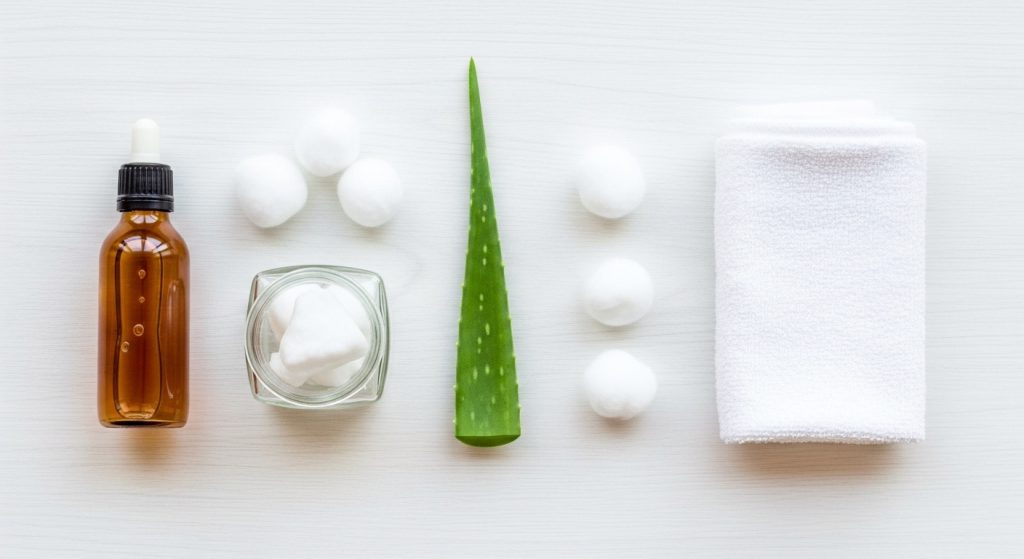
5. Aloe Vera Gel
Pure aloe vera gel (without alcohol or fragrances) can reduce inflammation and soothe the ear flap. Apply a thin layer to the outer ear area — not inside the canal. It’s especially helpful if the outside of the ear looks red or inflamed from scratching.
What NOT to Do
Sometimes the wrong treatment makes things much worse. Here’s what to avoid:
When to See the Vet — Don’t Wait
Home remedies work well for mild, early-stage infections. But some situations need professional treatment — and waiting too long can cause permanent hearing damage or a much harder-to-treat deep infection.
Call or visit your vet right away if:
Your vet will likely take a swab to identify whether the infection is bacterial, yeast-based, or from ear mites — and prescribe the right ear drops or oral medication. Don’t try to guess — the wrong treatment can make infections resistant and harder to clear.

How to Prevent Dog Ear Infections in the Future
Once your dog recovers, the goal is to make sure it doesn’t happen again. A little routine care goes a long way.
Final Thoughts
Bruno, Rafi’s golden retriever from our story? With regular cleaning and a visit to the vet for the right ear drops, he was back to his tail-wagging self within a week. The key was catching it early and not waiting too long.
Your dog depends on you to notice when something is wrong. Now that you know what to look for, what to do at home, and when to call the vet — you’re already a better advocate for your furry friend than most pet owners.
Keep those ears clean, keep them dry, and give your dog a little extra love during recovery. They’ll thank you in their own special way.
Quick Reminder: Bookmark this page for the next time your dog starts scratching their ear. And if you found this helpful, share it with another dog owner — it might save their dog a lot of discomfort.